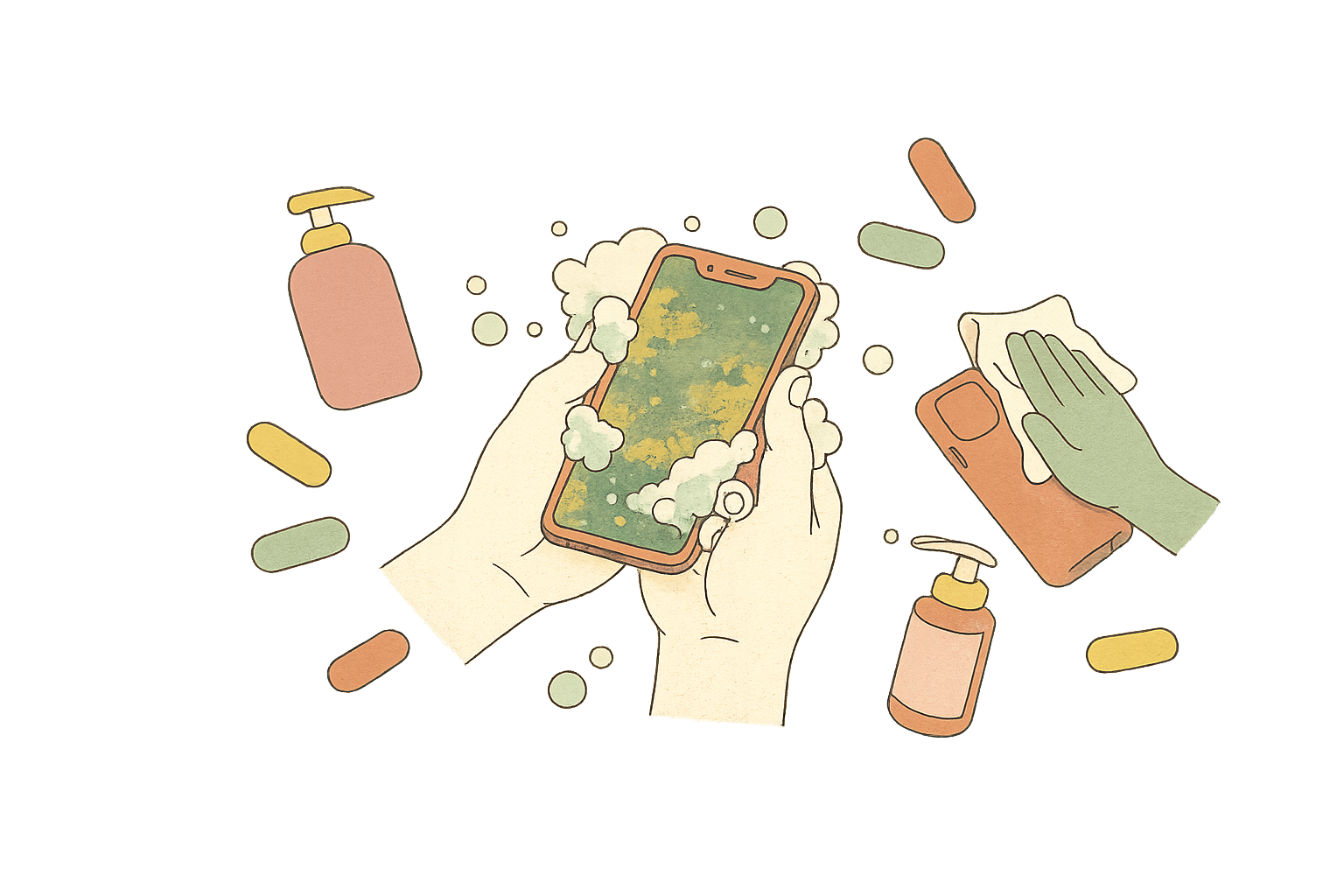
There is a certain modern absurdity in the spectacle of immaculate hands clutching a filthy phone. We wash, scrub, rinse and repeat, then immediately reclaim the object that has followed us through public transport, restaurant tables, office desks, gym benches and bathroom counters. If hygiene is a ritual of contemporary life, the smartphone is the sacrilegious loophole. It is one of the most handled possessions most people own, warm to the touch, forever pressed to skin, and almost never cleaned with much seriousness.
The instinct behind the suggestion that we should wash our phones more often is therefore sound. Mobile devices do accumulate grime and microbes. Studies of phones used by healthcare workers, where surveillance is naturally more rigorous, have repeatedly found substantial bacterial contamination, sometimes including organisms associated with hospital-acquired infection. Public-health authorities have also long warned that hands can transfer germs to surfaces and back again, making frequently handled objects an obvious part of the hygiene chain. A phone is, in miniature, a doorknob that belongs only to you.
Yet the leap from “phones are dirty” to “dunk them in soapy water whenever you wash your hands” is where common sense gives way to the magical thinking encouraged by the word “waterproof”. Manufacturers themselves are far more cautious than consumers intoxicated by marketing language. Water resistance is a narrow engineering claim, tested under controlled conditions and subject to age, wear, drops, heat and the slow erosion of seals. It is not a standing invitation to bathe electronics like crockery. Apple’s current cleaning guidance advises wiping an iPhone with a soft, slightly damp, lint-free cloth, while specifically warning against getting moisture into openings or submerging the device in cleaning agents. It also notes that liquid damage is not covered by warranty. Other manufacturers issue similarly restrained advice. The message from industry is plain enough: resistant does not mean washable in the everyday sense.
Soap creates a second problem. It is excellent for hands because skin can tolerate what screens and coatings may not. Phone makers warn that detergents, household cleaners and abrasive products can damage finishes, including the oleophobic coating that helps repel fingerprint oils on touchscreens. A habit intended to make the device cleaner may, over time, leave it cloudier, streakier and less pleasant to use. Hygiene can become vandalism with good intentions.
There is also a subtler public-health point. Handwashing guidance exists to interrupt transmission at key moments: before eating, after the lavatory, after coughing or sneezing, when hands are visibly dirty. The object is not to sterilise every personal possession every hour. If one wants to reduce contamination from a phone, the sensible answer is regular cleaning by methods designed for electronics: power it down, remove the case, wipe external surfaces carefully with an appropriate cloth, and where the manufacturer permits it, use a suitable disinfecting wipe or alcohol-based solution in the recommended strength. Clean the case separately. Dry thoroughly. Above all, do not confuse casual submersion with sanitation.
The larger lesson is almost comic. We live in an age that prizes visible cleanliness while neglecting the mundane vectors of everyday mess. The smartphone has become an extension of the hand, which means it deserves a place in our hygiene habits. It should be cleaned more often than most people manage, especially after travel, illness, workouts or any day involving the sticky democracy of public life. But phones are not hands. They should not be treated as hands, washed as hands or plunged into the sink in a burst of sanitary zeal.
By all means, wipe your phone. Make it part of the weekly household liturgy, or even the daily one if you are conscientious. Just do not baptise it alongside your fingers and call that wisdom. Cleanliness is next to godliness; water damage is merely expensive.
Sources: Apple Support cleaning guidance and liquid-damage policy; WHO hand-hygiene guidance for community settings; CDC materials on germs on devices; peer-reviewed studies and reviews in PubMed and PMC on bacterial contamination of mobile phones, including among healthcare workers.